
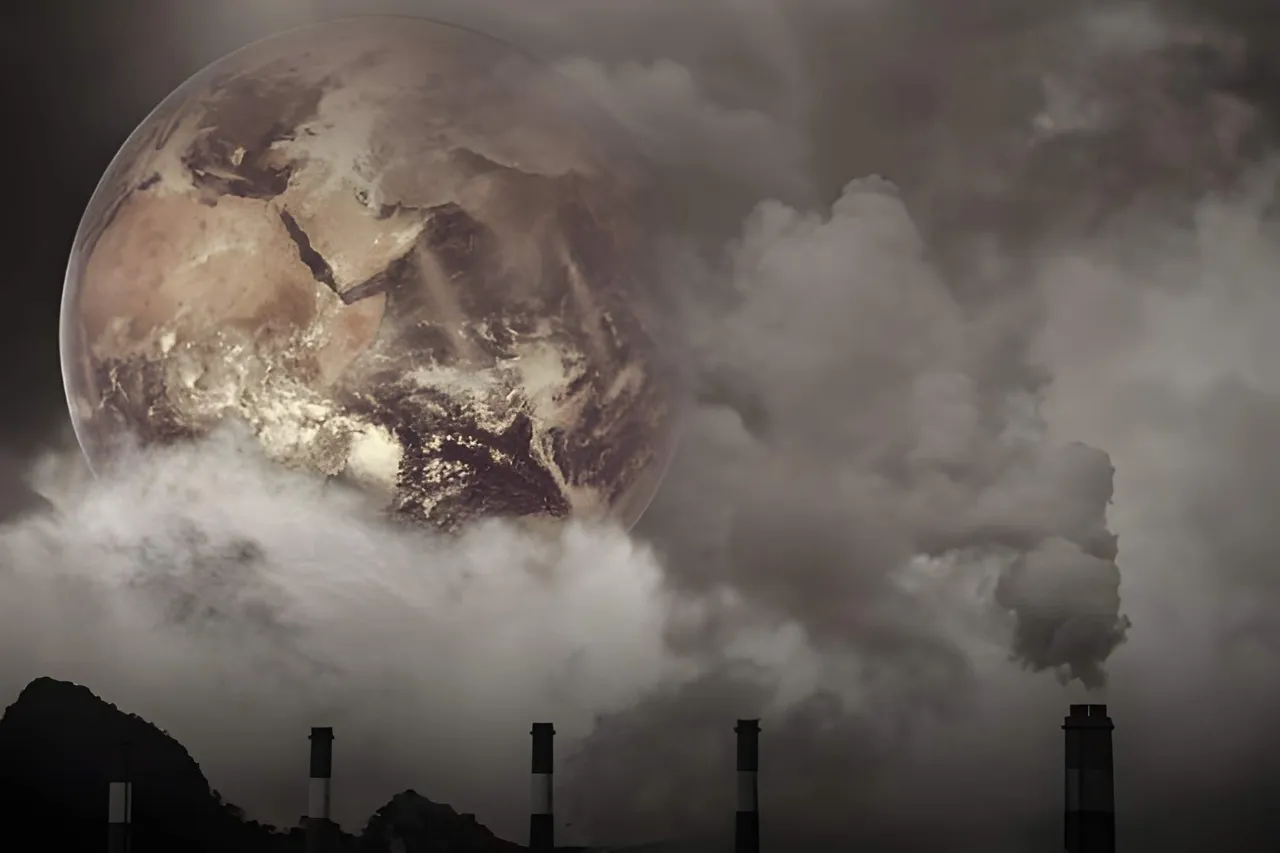
Climate change often feels distant, like something that happens “later.” But the truth is, carbon emissions are changing our planet right now, and they tend to do it in a slow, steady way… until the impacts become impossible to ignore.
Carbon emissions (especially carbon dioxide, or CO₂) come from everyday activities like driving gasoline vehicles, using electricity generated from fossil fuels, and producing and transporting goods. Over time, these emissions build up in the atmosphere and trap heat, like adding extra blankets around the Earth.
What carbon emissions are doing to the planet
Carbon emissions don’t cause one single problem. They create a chain reaction across the environment, weather systems, and human health.
1) They raise global temperatures
As greenhouse gases accumulate, the planet warms. Even small increases in average temperature matter because they change how oceans, wind patterns, and seasons behave. This warming affects ecosystems, agriculture, and water supply.
2) They worsen extreme weather
A warmer planet holds more energy and moisture. That can mean:
- More intense heatwaves
- Stronger storms
- Heavier rainfall and flooding in some regions
- Longer droughts and higher wildfire risk in others
When people say climate change happens “slowly,” they’re often referring to the gradual rise in temperature. But the impacts, like extreme weather, can spike suddenly.
3) They disrupt oceans and sea levels
Oceans absorb much of the planet’s excess heat. As water warms, it expands, contributing to sea-level rise. Melting ice adds even more water to the oceans. Rising seas can increase coastal flooding and threaten communities over time.
4) They harm air quality and health
Carbon emissions often come from burning fuels, which can also release pollutants that impact air quality. Poor air quality affects breathing, heart health, and overall well-being, especially for children, older adults, and people with asthma.
5) They damage nature and biodiversity
Plants and animals are adapted to specific climates. When temperatures and rainfall patterns shift, habitats change. Some species can migrate or adapt, but many cannot, leading to ecosystem stress and biodiversity loss.
Why it feels “slow”
Climate change is a long-term process because greenhouse gases can stay in the atmosphere for a long time. That means:
- Today’s emissions shape tomorrow’s climate
- The impacts compound year after year
- Progress also compounds when we reduce emissions
This is why climate action matters, even if individual changes seem small. Small actions, repeated by many people, create measurable outcomes.
What we can do about it (practical actions that matter)
The goal isn’t perfection. It’s progress. Here are real-world steps that reduce emissions and waste:
Choose cleaner transportation when possible
Transportation is a major source of emissions. Options like carpooling, public transit, and fuel-efficient driving help. And when it makes sense, electric vehicles can significantly reduce emissions, especially as electricity grids become cleaner over time.
At Planet Care, we focus on helping communities understand sustainable transportation choices and learn the basics of cleaner options, including EV awareness and education.
Reduce waste and consume more intentionally
Everything we buy has a footprint, materials, manufacturing, shipping, and packaging. Reducing unnecessary purchases and extending the life of items lowers emissions upstream.
Keep clothing out of landfills
Textile waste is a big, overlooked climate issue. When clothing is thrown away, it doesn’t just “disappear.” It becomes landfill waste and increases the demand for new production—which requires energy, water, and transportation.
Recycling and reusing textiles helps:
- Reduce landfill volume
- Lower demand for new manufacturing
- Support a more circular economy
That’s why Planet Care supports clothing recycling solutions, including convenient collection programs that make it easier for individuals and organizations to responsibly recycle unwanted clothes.
How Planet Care supports carbon reduction
Planet Care exists to make climate action easier, clearer, and more measurable through:
- Carbon emissions knowledge & education (so people can understand what’s happening and what helps)
- Sustainable transportation awareness (including EV education where relevant)
- Clothing recycling initiatives that reduce textile waste and support responsible reuse and recycling
- Partnerships with schools, churches, and organizations to run programs that create visible and traceable impact
The bottom line
Carbon emissions damage our climate slowly, but the consequences accelerate. The good news is: the solutions also build momentum. When communities learn, participate, and take action together, we can protect the planet and create a healthier future for the next generation.
If you’d like to get involved, whether as an individual, school, church, or organization, Planet Care is here to help you turn sustainability into action.