
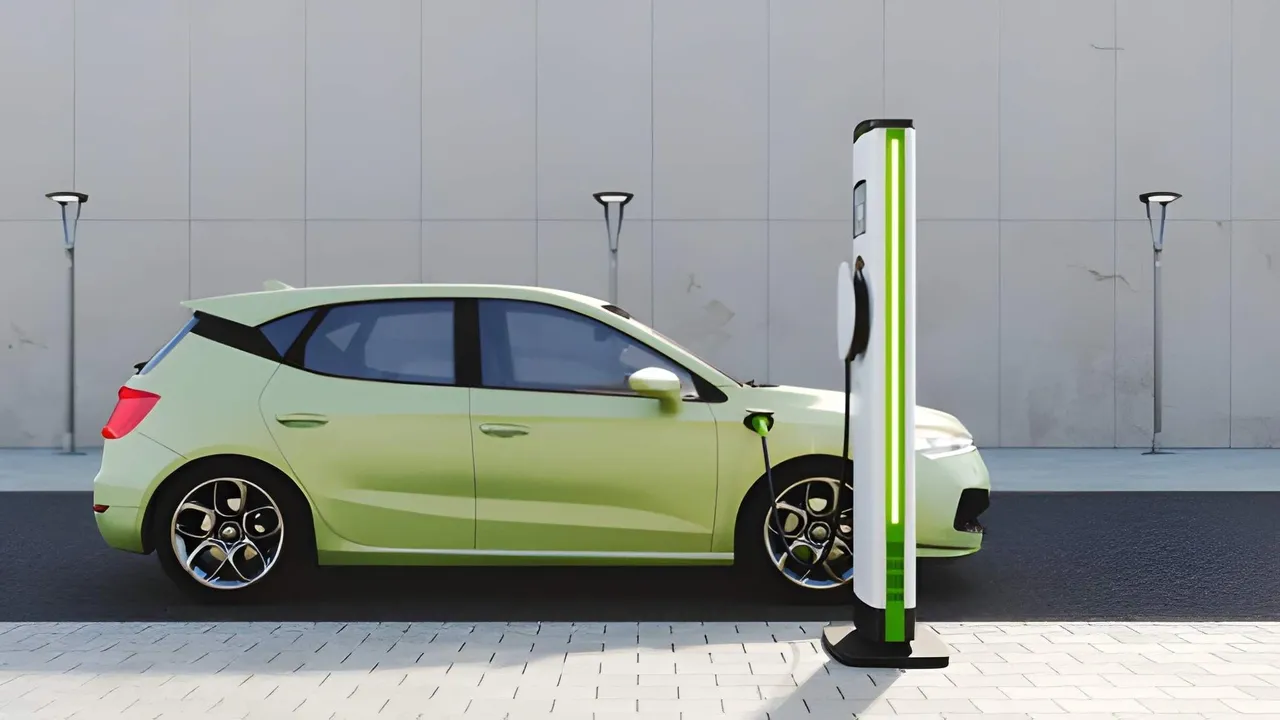
Switching from a traditional fuel-powered car to an electric vehicle (EV) is one of the most practical ways individuals and organizations can reduce everyday pollution and support a cleaner future. EVs aren’t perfect, but overall, they offer major benefits for the environment, public health, and long-term sustainability.
1) EVs reduce pollution from daily driving
Traditional cars release exhaust pollution every time they’re driven. EVs don’t have tailpipe emissions, which means cleaner air in the places we live, work, and go to school, especially in busy neighborhoods and high-traffic areas.
2) EVs can lower overall carbon emissions over time
Even though electricity is produced in different ways around the world, EVs are generally more efficient at turning energy into movement than traditional engines. And as electricity grids add more renewable energy, EVs get cleaner automatically—without the driver changing anything.
3) Better air quality means better health
Vehicle pollution is closely linked to breathing issues and other health concerns. EVs help reduce the local pollutants that contribute to unhealthy air, something that can make a meaningful difference for children, older adults, and people with asthma.
4) Less maintenance, less waste
EVs have fewer moving parts than traditional engines. That often means:
- fewer fluid changes
- fewer mechanical repairs
- less routine maintenance
Over time, that can reduce waste and lower the overall “lifecycle impact” of owning a car.
5) A step toward cleaner communities and smarter cities
EV adoption supports the bigger shift toward cleaner transportation systems, like quieter streets, reduced pollution hotspots, and more modern infrastructure. It also encourages conversations about how communities can reduce emissions in practical, realistic ways.
A balanced note
EVs still have an environmental footprint, especially in manufacturing and battery production. That’s why the biggest wins come from:
- keeping vehicles longer when possible
- responsible battery reuse/recycling programs
- continuing to clean up electricity sources over time